 FREE SHIPPING $50+


High Protein Oatmeal: The Breakfast That Keeps You Full All Morning
Search for high protein oatmeal and you will find a growing number of options. As more people focus on nutrition, energy, and metabolic health, breakfast has become one of the easiest places to improve daily habits.
Protein in the morning can help regulate appetite, support muscle maintenance, and provide more sustained energy throughout the day.
But many people discover something surprising after switching to high protein oatmeal.
Even with extra protein, some breakfasts still lead to mid-morning hunger.
That is because protein alone does not determine whether a breakfast keeps you full. The overall balance of protein, carbohydrates, fiber, and sugar matters just as much.
What Is High Protein Oatmeal?
High protein oatmeal is a variation of traditional oatmeal designed to provide significantly more protein than standard oats.
A typical serving of plain oatmeal contains about 5 to 6 grams of protein. High protein oatmeal increases that amount using ingredients such as:
- plant or dairy proteins
- seeds like hemp or chia
- yogurt or milk
- protein powders
Many high protein oatmeal recipes aim to deliver 15 to 25 grams of protein per serving, helping increase satiety and support muscle health.
This is why high protein oatmeal has become popular among athletes, busy professionals, and anyone looking for a more satisfying breakfast.
Why Protein Matters at Breakfast
Many traditional breakfasts are dominated by carbohydrates. Toast, cereal, pastries, and sweetened oatmeal can provide quick energy but often leave people hungry soon afterward.
Protein changes that dynamic.
A breakfast with sufficient protein can:
- slow digestion
- increase feelings of fullness
- support more stable energy levels
- reduce mid-morning cravings
Research consistently shows that people who eat higher protein breakfasts often experience greater satiety and more stable energy throughout the morning.
The Problem With Many High Protein Oatmeal Options
Adding protein to oatmeal is relatively easy. Many products simply mix protein powder into a traditional oat base.
While this increases protein, the rest of the nutritional profile often stays the same.
Traditional oats are naturally high in carbohydrates. A typical bowl can contain 30 to 40 grams of carbohydrates, sometimes more when sweeteners or fruit are added.
For many people, especially those focused on blood sugar stability or weight management, that level of carbohydrate can still lead to:
- energy spikes followed by crashes
- increased hunger later in the morning
- difficulty staying full until lunch
In other words, protein helps, but protein alone may not solve the problem.
What Makes a Breakfast Truly Filling
The most satisfying breakfasts tend to combine several key elements.
Meaningful protein
Protein slows digestion and helps increase satiety.
Lower sugar
Reducing added sugar helps prevent rapid energy spikes.
Balanced carbohydrates
Moderate carbohydrate levels help support more stable blood sugar.
Fiber-rich ingredients
Fiber contributes to fullness and supports digestion.
When these factors work together, breakfast becomes a meal that can genuinely carry you through the morning.
High Protein Oatmeal vs Traditional Oatmeal
|
Feature |
Traditional Oatmeal |
High Protein Oatmeal |
|
Protein |
5-6g per serving |
15-25g per serving |
|
Carbohydrates |
Typically 30-40g |
Often lower depending on formula |
|
Satiety |
Moderate |
Higher |
|
Energy stability |
Can spike and crash |
More stable when balanced |
|
Best for |
Quick carbohydrates |
Sustained energy and fullness |
Traditional oatmeal provides fiber and nutrients, but many people find it does not keep them satisfied for very long. High protein oatmeal is designed to improve satiety by increasing protein and balancing carbohydrates.

A Different Approach to High Protein Oatmeal
Some newer breakfast options take a different approach.
Instead of starting with traditional oats and simply adding protein, they rethink the formula to better support sustained energy. The focus shifts toward balancing protein, fiber, and carbohydrates in a way that helps people stay satisfied longer.
That philosophy helped inspire the creation of Folk Revival.
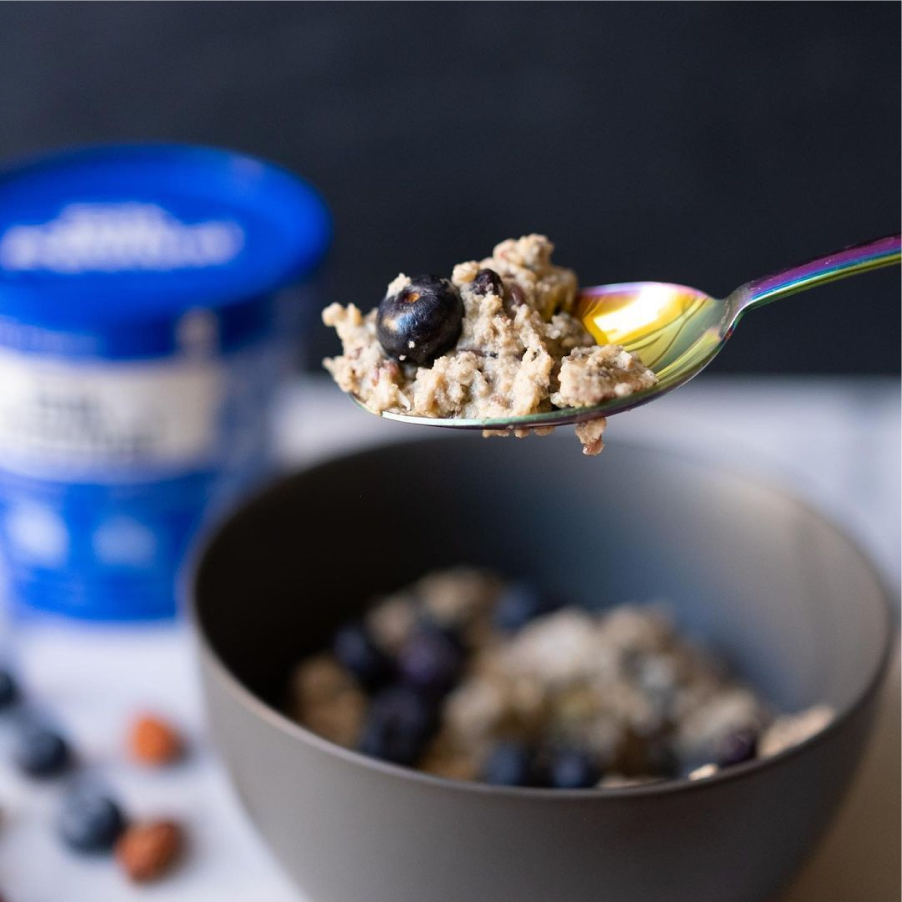
Folk Revival was designed around a simple idea: breakfast should provide steady energy and real satiety, not just a quick burst of fuel. By combining protein, fiber, and thoughtfully chosen ingredients, the goal is to create a breakfast that helps people feel full and energized for hours.
The Bottom Line
High protein oatmeal has become popular for a reason. People want breakfasts that support energy, focus, and lasting fullness.
But the most effective options go beyond protein alone.
The best high protein oatmeal combines:
- meaningful protein
- balanced carbohydrates
- minimal added sugar
- fiber-rich ingredients
When those elements come together, breakfast becomes more than just a quick meal. It becomes a reliable foundation for the rest of the day.
Frequently Asked Questions
1. Is high protein oatmeal healthy?
High protein oatmeal can be a healthy breakfast when it contains balanced nutrition. Look for options with meaningful protein, minimal added sugar, and fiber-rich ingredients.
2. How much protein should oatmeal have?
Standard oatmeal contains about 5 to 6 grams of protein per serving. High protein oatmeal typically contains 15 to 25 grams of protein per serving depending on the ingredients used.
3. Does oatmeal spike blood sugar?
Traditional oatmeal can raise blood sugar for some people because it contains a relatively high amount of carbohydrates. Adding protein, fiber, and healthy fats can help moderate this response.
4. Can high protein oatmeal help you stay full longer?
Yes. Protein slows digestion and increases satiety. A higher protein breakfast often helps people feel full longer and may reduce mid-morning snacking.