 FREE SHIPPING $50+


Why Acorns are Quietly Returning as a Powerful Ingredient in Modern Food ?
Introduction
Acorns have been part of human diets for centuries, used by various cultures as a reliable, natural food source. Indigenous people in North America, Europe and Asia, processed acorns into flour to use in simple, nourishing meals as part of their food traditions.
As modern food systems evolved toward refined and highly processed ingredients, acorns gradually disappeared from everyday diets.
Today, they are being rediscovered, not as a trend, but as part of a broader shift toward clean ingredient foods, sustainable food ingredients, and minimally processed plant-based nutrition.
What Is Acorn Flour?
Acorn flour is made by processing acorns through a natural water-based leaching process that removes tannins. The result is a mild, slightly nutty flour that works across multiple food applications.
It can be used in:
- Baked goods
- Porridge
- Beverages
- The possibilities are endless
Why Acorns Matter in Today's Food System
1. A Shift Toward Ingredient Transparency
Consumers today increasingly prefer foods with recognizable, simple ingredients. Acorn flour fits into this movement as a minimally processed ingredient with a clear origin story.
This aligns with growing demand for:
-
clean ingredient foods
-
sustainable food ingredients
-
natural, plant-based food systems

2. Environmental Advantages
Acorns grow naturally on oak trees, which do not require intensive farming, irrigation, or replanting cycles.
This makes them part of a naturally regenerative and diverse ecosystem:
-
Supports biodiversity
-
Requires zero agricultural input
-
Reduces dependency on industrial farming systems
Because of this, acorns represent a more environmentally balanced ingredient source compared to many conventional grains used in breakfast cereal production.
3. Nutritional Profile as a Functional Ingredient
Acorn flour naturally contains fiber, healthy fats, and a range of micronutrients, which contribute to its role as a functional ingredient in modern food systems.
These characteristics make it well-suited for meals that are designed to be more balanced and sustaining, particularly in breakfast formats where both satiety and steady energy are important considerations.
Its fiber content, along with naturally occurring fats, contributes to a slower digestion profile compared to more refined grain-based ingredients. This makes it a useful component in recipes that aim to avoid sharp energy fluctuations throughout the day.
Because of this, acorn flour is often incorporated into:
-
high fiber breakfast cereal blends
-
high protein breakfast formulations (when combined with other ingredients)
-
balanced plant-based breakfast meals
Rather than being positioned around a specific diet or outcome, it functions as a supportive ingredient within broader high-fiber and high-protein food systems.
4. Versatility in Modern Breakfast Foods
One of the reasons acorn flour is gaining attention is its flexibility in everyday use.
It can be incorporated into:
-
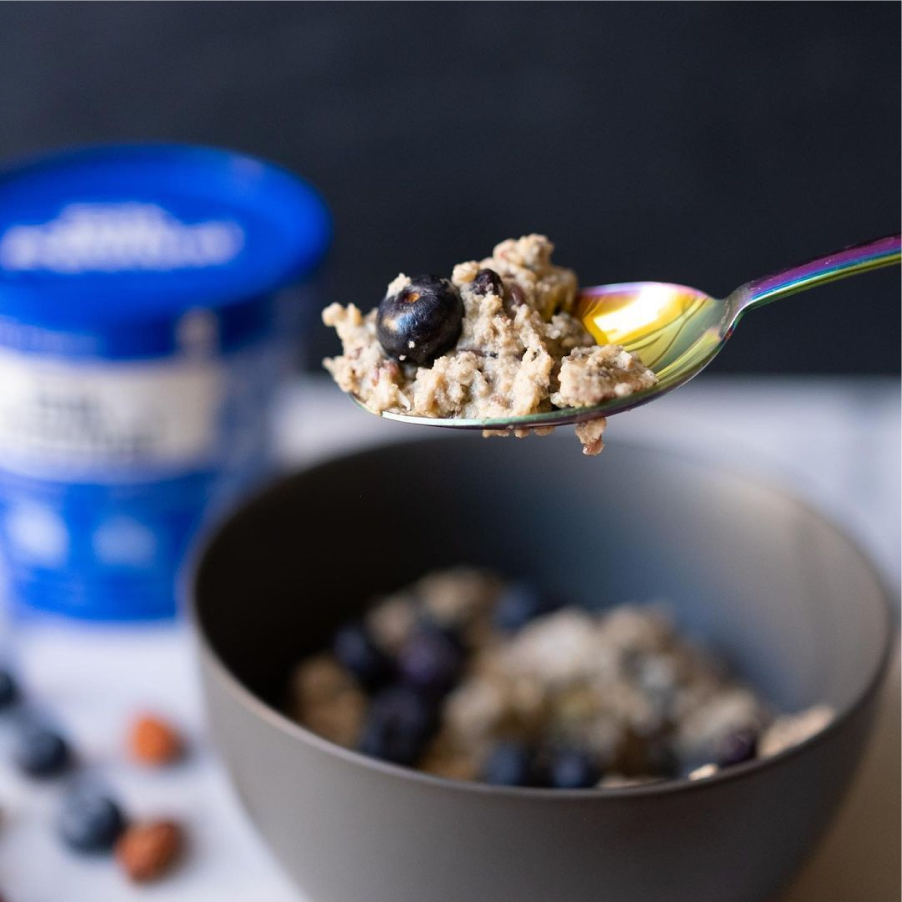
oatmeal-style hot bowls
-
gluten free oatmeal breakfasts
Its mild flavor allows it to blend well with fruits, nuts, and plant-based proteins, making it suitable for modern breakfast innovation.

Why It Disappeared — and Why It’s Coming Back?
As global food systems scaled, crops like wheat and corn became dominant due to ease of processing and mass production.
Acorns, despite being a widely available tree nut, required more preparation and were not suited for industrial efficiency.
However, priorities are shifting again.
There is now increasing interest in:
- minimally processed foods
- ingredient-first nutrition
- sustainable sourcing models
- plant-based breakfast systems
This shift is bringing ingredients like acorn flour back into focus.
Using acorn flour does not require major dietary changes. It can be introduced gradually into everyday meals.
Common applications include:
- blending into oatmeal-style breakfasts
- enhancing instant oatmeal cups
- supporting high fiber breakfast recipes
This makes it adaptable for both traditional and modern breakfast formats, including instant oatmeal cups and breakfast cereal blends.
Conclusion
Acorn flour is not a new discovery: it is an ancient ingredient that many are just becoming aware of for the first time.
Its relevance today is not based on trends, but on broader shifts toward:
- clean ingredient foods
- sustainable food ingredients
- minimally processed breakfast systems
- diversified plant-based nutrition
As modern consumers move toward more intentional food choices, acorn flour represents a bridge between traditional food knowledge and contemporary breakfast innovation.