 FREE SHIPPING $50+


The 5 numbers to check on any breakfast label when you're managing blood sugar
FOLK15 takes 15% off your first order. Tap to apply it at checkout.
If you are managing your blood sugar, breakfast is the meal that sets up the whole morning. It is also the meal most likely to be built on the wrong numbers. Here are the five I look at on any label, in order.
1. Net carbs, not total carbs
Take the total carbohydrate line and subtract the fiber. Fiber is a carbohydrate on paper, but your body does not turn it into sugar, so the total line overstates what a food will do to you. A slice of bread and a bowl of berries can show the same total and behave very differently once you take the fiber out. Most labels do not print it, so try to calculate this yourself.
2. Protein grams
Protein slows the rise after a meal and keeps you full until lunch. Most breakfasts are short on it: toast, cereal, fruit and juice together can come in under 10 grams. Twenty grams is a good floor for a breakfast that holds you.
3. Fiber
Fiber helps in two ways: it comes off the carb count, and it slows how fast the rest gets absorbed. Anything under 3 grams is a low-fiber breakfast whatever the front of the box says. Seven or more is doing real work.
4. Added sugars, and what replaced them
"Total sugars" includes what was in the milk or the fruit. "Added sugars" is the line that matters, and 0 is the number to look for. Then read the ingredients for what is doing the sweetening instead. Monk fruit and stevia do not raise blood sugar. Sugar alcohols such as erythritol mostly do not, but maltitol partly does, and it is still common in "no sugar added" products.
5. The serving size
Every number on the panel is per serving, and the serving is whatever the company chose. A "serving" of granola is often a quarter cup, which nobody eats. Check the serving against what actually goes in your bowl, then scale the numbers.
Why plain oats surprise people
Oats have a healthy reputation, and a half cup of dry rolled oats is about 27 grams of carbohydrate, 4 grams of fiber and 5 grams of protein. Run it through the five numbers: 23 grams net, low fiber, low protein. It is a fast breakfast, not a steady one. Eggs with vegetables, plain Greek yogurt with nuts, or cottage cheese with berries all score better.
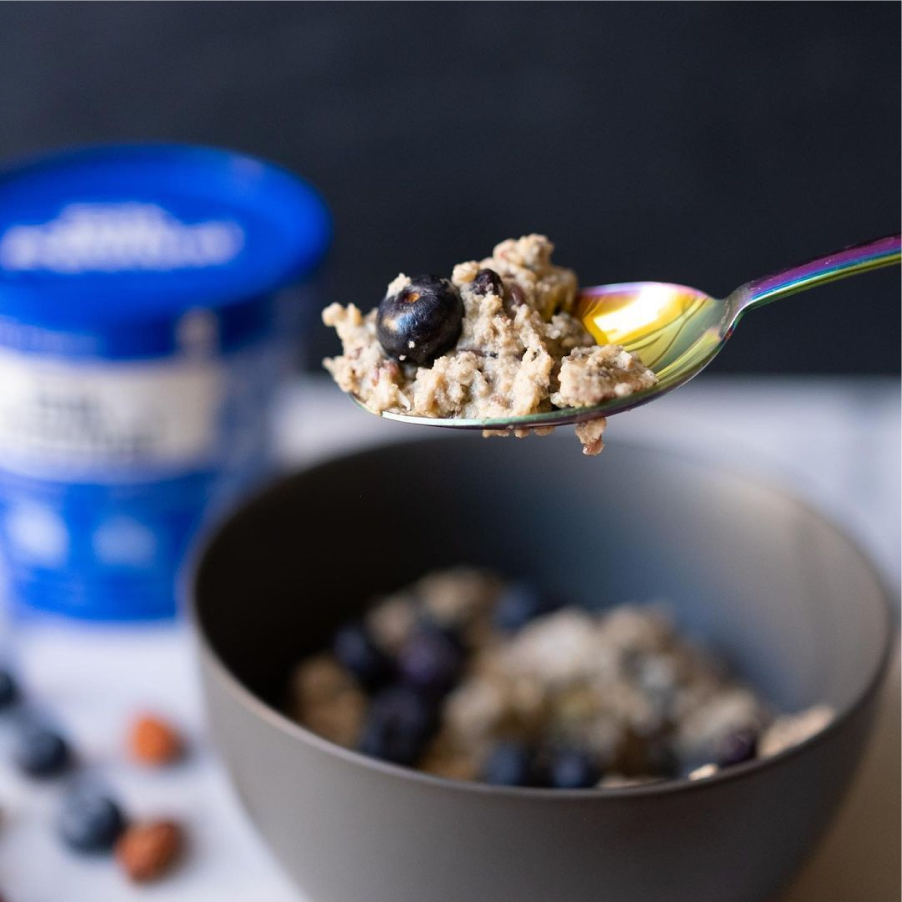
For the record, ours: one cup of Folk Revival hot cereal is 12 to 13 grams total carbohydrate, 7 to 8 grams fiber, 4 to 5 grams net carbs, 20 grams protein and 0 grams added sugars, made from nuts, seeds and acorn flour instead of oats.
Your 15% is waiting. Code FOLK15, automatically applied at checkout on your first order. Start with the variety pack and try all four flavors.
To your health,
David Cantor, Founder, Folk Revival